Energy in Physics: Definition, Types, Conservation Principles, and Units Explained
Introduction to Energy in Physics
Energy is a fundamental concept in physics, playing a crucial role in understanding the workings of the universe. It’s not just a term thrown around in science classes; it’s a measurable quantity that influences everything from the smallest particles to the largest galaxies. Without energy, there would be no movement, no heat, and no life as we know it.
At its core, energy is defined as the ability to perform work. This work can manifest in various forms, such as mechanical work, thermal energy, or electrical energy. The principle is straightforward: whenever an object moves or a change occurs, energy is involved. You see this in action when you push a ball, heat water, or power a light bulb. Each of these actions involves energy transfer or transformation.
Understanding energy involves recognizing its different types. Kinetic energy, for instance, is associated with the motion of objects. The faster something moves, the more kinetic energy it possesses. On the other hand, potential energy exists due to an object’s position or state. A classic example is a rock perched at the edge of a cliff. It holds potential energy that can convert into kinetic energy if it falls. These two forms are just the beginning; energy manifests in numerous ways, including thermal, chemical, nuclear, and electromagnetic energy.
Another key aspect of energy in physics is its conservation. The law of conservation of energy states that energy cannot be created or destroyed; it can only be transformed from one form to another. This principle is foundational in various fields, including thermodynamics, mechanics, and even modern physics. For example, when you turn on a light, electrical energy is transformed into light and heat energy. No energy is lost in this process; it’s simply changed.
Moreover, energy is measured in specific units, with the joule being the standard unit in the International System of Units (SI). Understanding these units is vital for scientists and engineers alike, as they quantify how much energy is being transformed or transferred in any given process.
In summary, energy is not just a concept; it’s a cornerstone of physics that helps us explain and predict a vast array of phenomena in the physical world. From the way objects move to the transformations that power our daily lives, understanding energy lays the groundwork for further exploration into the laws of physics.
Defining Energy: What It Is and Why It Matters
Energy isn’t just a buzzword tossed around in science classes. It’s a foundational concept that shapes our understanding of the physical world. In simple terms, energy is the ability to do work or produce change. It can exist in various forms and can be transformed from one form to another, which makes it a versatile and crucial element in physics.
Let’s break it down further. Energy manifests in many ways, including kinetic energy (the energy of motion), potential energy (stored energy based on position), thermal energy (related to temperature), and chemical energy (stored in the bonds of chemical compounds). Each type plays a vital role in different physical processes. For instance, when you throw a ball, the kinetic energy is at work. When the ball is held at a height, it possesses potential energy, ready to convert to kinetic energy once it starts falling.
Why does energy matter? Understanding energy is essential for several reasons. Firstly, it helps us make sense of how the universe operates. From the smallest particles to massive celestial bodies, energy interactions govern the behavior of matter. Without energy, life as we know it wouldn’t exist. Plants convert solar energy into chemical energy through photosynthesis, forming the basis of our food chains.
Secondly, energy is at the heart of technological advancement. The way we harness, convert, and utilize energy has led to the development of machines, vehicles, and electronic devices that propel society forward. For instance, fossil fuels, nuclear power, and renewables like wind and solar all represent different methods of energy extraction and use.
Moreover, energy conservation principles are critical in addressing global challenges such as climate change and resource depletion. By understanding energy, we can innovate ways to use it more efficiently, reduce waste, and minimize environmental impact.
In essence, energy is more than just a scientific term; it’s a pivotal element that influences every aspect of our lives, from the natural environment to technological progress. Understanding it equips us with the knowledge to advance in a sustainable direction.
Types of Energy: Kinetic, Potential, Thermal, and More
Energy comes in various forms, each playing a unique role in the physical world. Understanding these types helps grasp how energy interacts within systems. Let’s break down the most prominent forms: kinetic, potential, thermal, and a few others.
Kinetic Energy
Kinetic energy is the energy of motion. Anything that moves has kinetic energy, which depends on two key factors: mass and velocity. The formula for kinetic energy (KE) is:
KE = 1/2 mv²
Where **m** is mass (in kilograms) and **v** is velocity (in meters per second). For instance, a car traveling at 60 km/h possesses more kinetic energy than a bicycle moving at 15 km/h due to its greater mass and speed.
Kinetic energy is vital in understanding dynamics in physics. When a moving object collides with another, its kinetic energy can be transferred, leading to changes in motion or deformation of the objects involved.
Potential Energy
Potential energy is stored energy based on an object’s position or configuration. The most common type is gravitational potential energy, which depends on height. The formula is:
PE = mgh
Here, **m** is mass, **g** is the acceleration due to gravity (approximately 9.81 m/s²), and **h** is height above a reference point. An example is a rock perched on a cliff; it has significant potential energy that converts to kinetic energy when it falls.
Other forms of potential energy include elastic potential energy, found in compressed springs or stretched rubber bands. This energy is released when the object returns to its original shape, powering mechanisms like catapults or slingshots.
Thermal Energy
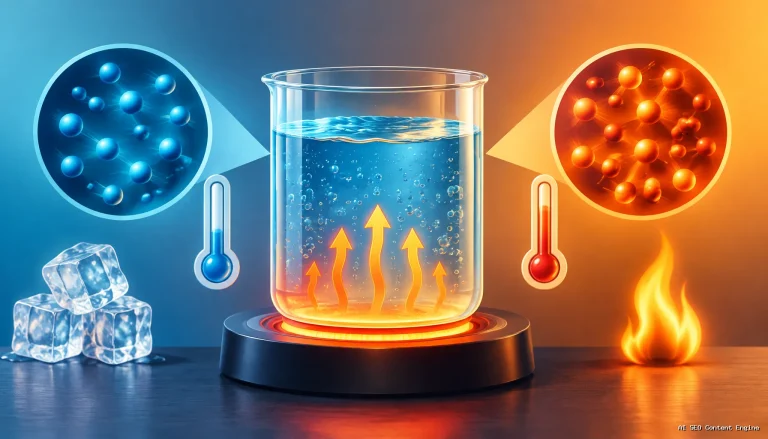
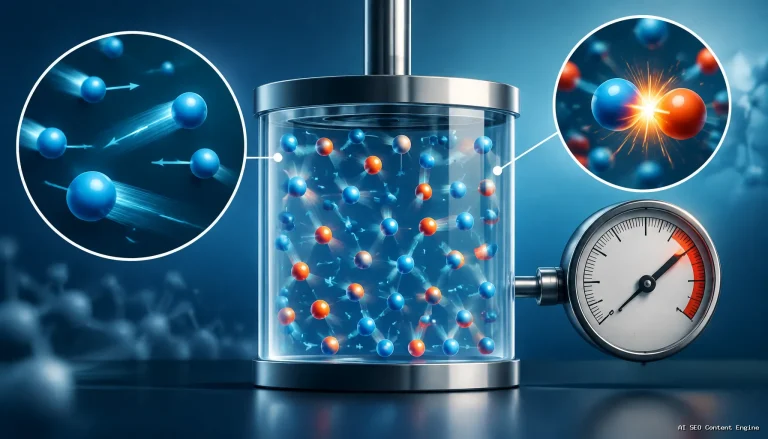
Thermal energy relates to the temperature and movement of particles within a substance. As temperature increases, particles move faster, resulting in higher thermal energy. This energy can be observed in everyday scenarios, such as boiling water or the warmth from sunlight.
Thermal energy is crucial in heat transfer processes. When two objects at different temperatures come into contact, thermal energy moves from the hotter object to the cooler one, until thermal equilibrium is reached.
Chemical Energy
Chemical energy is stored in the bonds of molecules. This type of energy is released during chemical reactions, such as combustion. For example, when wood burns, the chemical energy stored in its bonds is released as heat and light.
Chemical energy is fundamental in biological processes as well. Our bodies convert the chemical energy in food into kinetic energy for movement and thermal energy to maintain body temperature.
Nuclear Energy
Nuclear energy arises from the nucleus of atoms. It’s released during nuclear fission (splitting of atomic nuclei) or fusion (combining atomic nuclei). This process fuels the sun and is harnessed in nuclear power plants.
Understanding these various forms of energy is essential for delving deeper into the principles of physics and their applications in real-world scenarios. Each type interacts with others, highlighting the interconnectedness of energy in our universe.
The Law of Conservation of Energy: Fundamental Principles
The Law of Conservation of Energy states that energy cannot be created or destroyed, only transformed from one form to another. This principle is foundational in physics, influencing countless theories and applications across various scientific disciplines. To grasp this concept fully, we must explore its implications, real-world examples, and its relationship with different energy types.
At its core, this law emphasizes that the total energy in a closed system remains constant. Imagine a roller coaster: as the coaster climbs to the highest point, it gains potential energy. As it descends, that potential energy converts into kinetic energy, the energy of motion. Throughout the ride, the total energy remains unchanged, merely changing form. This transformation is crucial in understanding how energy functions in our universe.
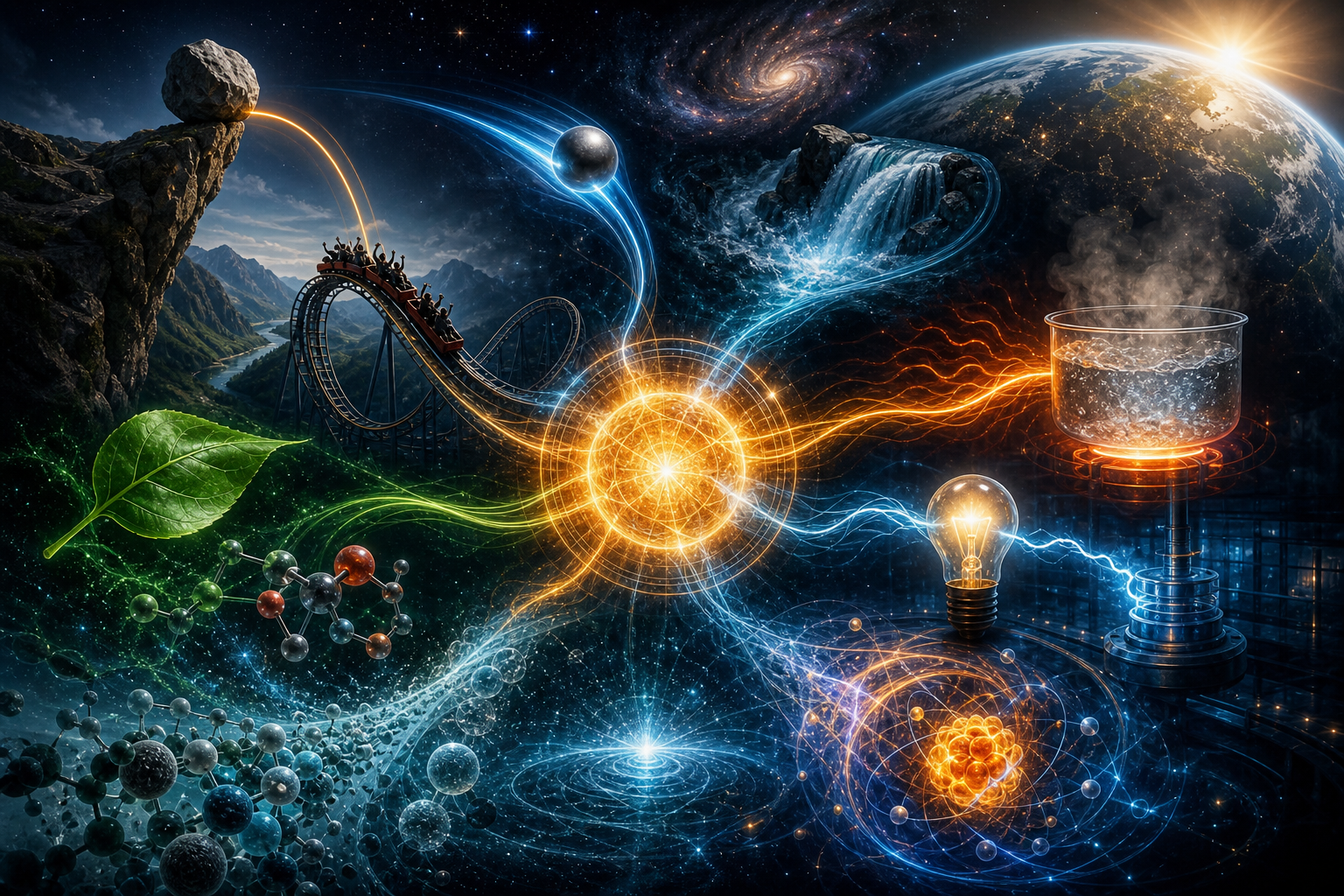
Energy takes several forms, including kinetic, potential, thermal, chemical, and nuclear energy. Each type can be converted into another, illustrating the versatility and constancy of energy. For instance, when you eat food (chemical energy), your body converts that energy into kinetic energy when you run. Similarly, in a power plant, chemical energy from fossil fuels transforms into thermal energy, which then generates electricity.
One significant application of the conservation principle is in mechanical systems. In a perfectly isolated system, if no external forces act upon it, the mechanical energy—comprising kinetic and potential energy—remains constant. Practically, however, external forces like friction often dissipate energy as heat, revealing the law’s limitations in real-world scenarios.
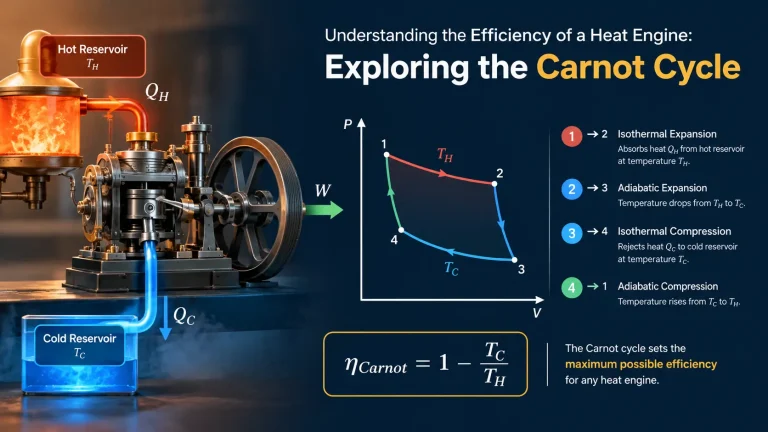
Another fascinating aspect of energy conservation is its role in thermodynamics. The first law of thermodynamics, a direct extension of the conservation principle, states that energy within a closed system can change forms but remains constant. This law governs heat transfer and work done in thermodynamic processes, essential for engineers and scientists in designing systems like engines and refrigerators.
In sum, the Law of Conservation of Energy is a robust framework that captures the essence of energy dynamics. It underscores the interconnectedness of energy forms and their transformations, facilitating a deeper understanding of physical phenomena. By recognizing that energy is always conserved, we can better appreciate the complex interactions that govern our world.
Transformations of Energy: How Energy Changes Form
Energy isn’t static; it morphs, shifts, and transforms. This ability to change form is fundamental to understanding how energy interacts with matter and drives processes in physics.
First, let’s talk about the most common transformation: **mechanical energy to thermal energy**. When you rub your hands together, the mechanical energy from the friction between your palms transforms into thermal energy, warming your hands. This process illustrates the principle of energy conversion, where one type of energy is entirely changed into another.
Next up is the transformation between **kinetic energy and potential energy**. Imagine a roller coaster. At the highest point, the cars possess maximum potential energy due to their elevated position. As they plunge down, this potential energy converts to kinetic energy, increasing speed until the next ascent. This dance between kinetic and potential energy is a classic example of energy transformation in action.
Then there’s the transformation of **chemical energy into other forms**. Consider a battery. It stores chemical energy, which can be converted into electrical energy when it powers a device. In a combustion engine, chemical energy from fuel transforms into thermal energy, which then moves pistons to create mechanical energy, driving the vehicle forward. Each step in this process highlights the versatility of energy transformations.
Now, let’s not forget **nuclear energy transformations**. In the nucleus of an atom, energy is stored. When nuclear fission occurs—like in a nuclear reactor—this energy is released and can be transformed into thermal energy, which then generates electricity through turbines. This transition showcases the massive amounts of energy tied up in atomic bonds, a concept that’s crucial for understanding modern energy production.
Lastly, consider **light energy**. Plants perform photosynthesis by converting light energy from the sun into chemical energy stored in glucose. This process is vital for life on Earth, as it forms the basis of the food chain. The transformation of energy from one form to another is not just a physical process; it’s the essence of life itself.
Understanding these transformations allows us to grasp the broader principles of energy conservation and efficiency. Energy constantly changes form, but the total amount remains constant in an isolated system, according to the law of conservation of energy. This principle is foundational in physics and crucial for advancements in technology and sustainability efforts.
Energy Units: Understanding Joules, Calories, and Other Measurements
Energy is a fundamental concept in physics, and its measurement is crucial for understanding various physical processes. When we talk about energy, we often encounter different units. The most common ones include joules, calories, and kilowatt-hours. Each unit serves a specific purpose depending on the context.
Joules: The Standard Unit of Energy
The joule (J) is the SI (International System of Units) unit for energy. It’s defined as the amount of energy transferred when a force of one newton moves an object one meter. In simpler terms, if you push a one-kilogram object with a force that accelerates it at one meter per second squared over a distance of one meter, you’ve done one joule of work.
Joules can also be understood in everyday terms. For instance, 1 joule is roughly equivalent to the energy released when a small apple falls from a height of about 1 meter. This unit is versatile, used in various fields like mechanics, thermodynamics, and electrical engineering.
Calories: Energy in Food and Heat
Calories are another common unit, particularly in nutrition and thermodynamics. A calorie is defined as the amount of energy needed to raise the temperature of one gram of water by one degree Celsius. There are two types of calories: the small calorie (cal) and the large calorie (kcal), also known as the food calorie.
1 kcal equals 1,000 small calories. When you see a food item with a caloric value, it’s usually in kilocalories. For example, a slice of pizza may contain about 250 kcal. Understanding calories is essential for dietary choices, as they measure the energy our bodies need to function.
Other Measurements: Kilowatt-Hours and Electronvolts
While joules and calories are common, other units of energy exist. The kilowatt-hour (kWh) is widely used in electricity. One kilowatt-hour is the energy consumed by a one-kilowatt device running for an hour. This measurement is crucial for understanding electricity bills, as utility companies charge based on kWh.
In the realm of particle physics, the electronvolt (eV) is a standard unit. It represents the amount of energy gained by an electron when it moves through an electric potential difference of one volt. One electronvolt equals approximately 1.6 x 10^-19 joules.
Converting Between Units
Converting between these units is often necessary. For instance, to convert calories to joules, multiply by 4.184, since 1 calorie equals 4.184 joules. Conversely, to convert joules to calories, divide by 4.184.
Understanding these conversions is essential for scientific calculations, especially in fields like chemistry and biophysics. Whether you’re studying thermodynamics or analyzing food energy, knowing how to navigate these units will deepen your grasp of energy concepts in physics.
The Role of Energy in Everyday Life: Practical Applications
Energy is the backbone of our daily existence. From the moment you wake up to the sound of your alarm clock to the last flicker of light as you prepare for bed, energy is at play. It’s not just about powering your devices; it’s about understanding the various forms that energy takes and how they impact your life.
Consider the most common form: electrical energy. This type of energy powers your home, appliances, and gadgets. Think about your refrigerator. It uses electrical energy to keep your food fresh, utilizing a refrigeration cycle that absorbs heat from inside the fridge and expels it outside. This process relies on the conversion of electrical energy into thermal energy, showcasing how energy is transformed to serve practical needs.
Now, let’s explore thermal energy. This is the energy that comes from heat. You experience it every day when you cook your meals. When you heat a pot of water on the stove, the thermal energy from the burner transfers to the pot, increasing the water’s temperature until it boils. This process is a direct application of energy conversion, where chemical energy from the gas or electricity converts into thermal energy for cooking.
Moving on to mechanical energy, which is evident in transportation. When you drive a car, you’re harnessing chemical energy stored in gasoline. This energy transforms into mechanical energy, propelling the vehicle forward. The efficiency of this energy conversion affects fuel economy and overall performance. Understanding this principle helps in making informed choices about vehicle types and driving habits.
Additionally, consider kinetic energy, which is energy in motion. Every time you ride a bicycle, you’re converting your muscle power into kinetic energy. This not only demonstrates energy’s role in physical activity but also highlights the importance of energy conservation in fitness. The harder you pedal, the more kinetic energy you generate, allowing you to move faster and further.
Lastly, let’s not forget about potential energy, particularly gravitational potential energy. When you climb stairs or hike a hill, you’re increasing your potential energy. This energy is stored and can convert to kinetic energy when you descend. Recognizing how potential energy works can influence your approach to activities, whether it’s planning a hike or understanding energy-efficient building designs that minimize energy use.
Energy permeates every facet of life, from cooking and commuting to exercising. By grasping these practical applications, you can appreciate the essential role energy plays in making daily activities possible. It’s all interconnected, and understanding these relationships empowers you to make better choices for both your lifestyle and the planet.
Energy in Physics: Key Formulas and Equations
Understanding energy in physics isn’t just about definitions and concepts; it’s also about the mathematical relationships that describe how energy behaves in various contexts. Here’s a deep dive into some essential formulas and equations that underpin the study of energy.
Kinetic Energy (KE)
Kinetic energy quantifies the energy of an object in motion. The formula is straightforward:
KE = 1/2 mv²
Where:
– **m** is the mass of the object (in kilograms).
– **v** is the velocity of the object (in meters per second).
This equation shows that kinetic energy is proportional to the mass of the object and the square of its velocity. For instance, if the velocity doubles, the kinetic energy increases by a factor of four. This relationship highlights why speed is crucial in events like car crashes, where higher speeds lead to significantly greater kinetic energy.
Potential Energy (PE)
Potential energy refers to stored energy based on an object’s position or configuration. The most common type is gravitational potential energy, expressed as:
PE = mgh
Where:
– **m** is the mass (in kilograms).
– **g** is the acceleration due to gravity (approximately 9.81 m/s² on Earth).
– **h** is the height above the reference point (in meters).
This formula demonstrates how potential energy increases with height. For example, if you lift a book from the ground to a shelf, you’re adding potential energy proportional to the height change.
Mechanical Energy
Mechanical energy is the sum of kinetic and potential energy in a system. The equation is:
ME = KE + PE
This principle reveals that in a closed system with no external forces (like friction), mechanical energy remains constant. For example, a swinging pendulum shows this conservation, as energy shifts between kinetic and potential forms at different points in its swing.
Work-Energy Principle
The work-energy principle connects work and energy. It states that the work done on an object equals the change in its kinetic energy:
W = ΔKE
Where:
– **W** is the work done (in joules).
– **ΔKE** is the change in kinetic energy.
This principle is vital in understanding how forces acting on an object can change its energy state, such as a car accelerating when a force is applied.
Conservation of Energy
The law of conservation of energy states that energy cannot be created or destroyed, only transformed. Mathematically, this can be expressed as:
KE_initial + PE_initial = KE_final + PE_final
This equation reflects that the total energy in a closed system remains constant. In practical terms, consider a roller coaster: as it climbs, kinetic energy is converted to potential energy, and as it descends, potential energy converts back to kinetic energy.
Summary of Key Formulas
– **Kinetic Energy:** KE = 1/2 mv²
– **Potential Energy:** PE = mgh
– **Mechanical Energy:** ME = KE + PE
– **Work-Energy Principle:** W = ΔKE
– **Conservation of Energy:** KE_initial + PE_initial = KE_final + PE_final
These formulas and principles form the backbone of energy concepts in physics. They not only help in calculations but also enhance our understanding of how energy interacts within physical systems.
Current Trends in Energy Research: Innovations and Discoveries
Energy research is experiencing a renaissance, driven by the urgent need for sustainable solutions to global challenges. Scientists and engineers are pushing the boundaries of what’s possible. Here’s a look at some groundbreaking innovations and discoveries that are shaping the future of energy.
Renewable Energy Technologies
Solar energy continues to lead the charge. Recent advancements in solar panel efficiency have seen conversion rates soar above 26%. This leap is largely due to perovskite solar cells, which are cheaper to produce and more efficient than traditional silicon cells. Researchers are working on tandem solar cells that combine perovskite with silicon, potentially reaching efficiencies above 30%.
Wind energy isn’t lagging behind. Turbine technology has improved significantly, with larger blades and higher towers. The latest offshore wind farms can generate over 10 megawatts (MW) per turbine. Floating wind turbines are also gaining traction, allowing installations in deeper waters, where wind speeds are greater and more consistent.
Energy Storage Solutions
Energy storage is critical for balancing supply and demand, especially with intermittent renewable sources. Lithium-ion batteries dominate the market, but new materials are emerging. Solid-state batteries promise higher energy densities and improved safety. Companies are exploring sodium-ion batteries as a lower-cost alternative that could be more sustainable.
Moreover, researchers are investigating flow batteries and supercapacitors. Flow batteries are particularly attractive for large-scale energy storage, allowing for longer discharge times. Supercapacitors offer rapid charging and discharging capabilities, making them ideal for applications like electric vehicles.
Hydrogen Energy
Hydrogen is gaining attention as a clean fuel alternative. Green hydrogen, produced via electrolysis powered by renewable energy, has the potential to decarbonize sectors like transportation and industry. Innovations in hydrogen fuel cells are making them more efficient and cost-effective, paving the way for broader adoption.
In addition, researchers are exploring hydrogen storage solutions. Metal hydrides and liquid organic hydrogen carriers could provide safe and efficient ways to store and transport hydrogen.
Carbon Capture and Utilization
As we transition to cleaner energy sources, carbon capture technologies are crucial. Innovations in direct air capture (DAC) systems are showing promise. These systems can pull carbon dioxide directly from the atmosphere, which can then be stored underground or converted into useful products, such as fuels or plastics.
Research is also focusing on enhancing the efficiency of existing carbon capture methods in power plants. By integrating carbon capture with existing technologies, we can significantly reduce emissions while still relying on fossil fuels during the transition to renewables.
Smart Grids and Energy Management
The rise of smart grids is transforming how we manage and distribute energy. These technologically advanced systems use real-time data to optimize electricity usage, enhance reliability, and integrate renewable energy sources. Innovations in artificial intelligence (AI) and machine learning are enabling predictive maintenance and allowing for dynamic energy pricing.
Moreover, demand response programs are helping consumers adjust their energy usage during peak times, providing both savings and stability to the grid. This shift is crucial for accommodating the growing influx of electric vehicles and decentralized energy resources.
Energy research is at a pivotal moment. These innovations not only promise to meet our energy needs but also aim to do so sustainably. By embracing these trends, we can forge a cleaner, more efficient, and resilient energy future.
Conclusion: The Importance of Energy Understanding in Science and Technology
Energy is more than just a concept in physics; it’s the backbone of modern science and technology. Understanding energy and its various forms lays the groundwork for countless scientific advancements and innovations. From electricity powering our homes to the kinetic energy driving vehicles, recognizing how energy transforms and interacts with matter is crucial.
The first step in this journey is grasping the **definition of energy**. It’s the ability to do work or produce change. This understanding serves as the foundation for more complex concepts. For example, when we discuss potential energy, we’re delving into stored energy that has the potential to do work. Recognizing this can help us make sense of everything from roller coasters to hydroelectric dams.
Next, consider the different **types of energy**: kinetic, potential, thermal, chemical, and more. Each type plays a specific role in our daily lives. Kinetic energy is visible in moving vehicles and flowing rivers, while chemical energy is stored in food and fuels. This classification isn’t just academic; it informs how we design machines, harness renewable resources, and even manage our diets.
The principle of **energy conservation** is another cornerstone in science. It posits that energy cannot be created or destroyed but only transformed from one form to another. This principle underlies everything from the efficiency of engines to the sustainability of our energy practices. For example, understanding energy transfer is essential in engineering more efficient solar panels or wind turbines.
Moreover, the units of measurement we use, such as joules and kilowatt-hours, are vital for accurately quantifying energy in scientific and engineering contexts. Accurate measurements allow scientists and engineers to innovate effectively, ensuring that technologies are not only effective but also sustainable.
In today’s world, where energy demands are rising and climate change is a pressing issue, understanding energy transcends academic interest. It’s about making informed decisions regarding energy consumption, exploring alternative energy sources, and implementing energy-efficient technologies.
To sum up, a comprehensive grasp of energy’s role in physics shapes our approach to science and technology. This understanding drives innovation, enhances sustainability, and fosters a more informed society. As we face global challenges, knowledge of energy will be key to creating solutions that benefit both people and the planet.