Understanding Heat Transfer: Conduction, Convection, and Radiation Explained
Heat transfer is an essential concept that plays a crucial role in our everyday lives, from the way we cook food to how we stay warm in winter. Understanding the three primary methods of heat transfer—conduction, convection, and radiation—can provide valuable insights into various natural and technological processes. Whether you’re a curious learner or a student diving into the intricacies of physics, grasping these concepts can enrich your comprehension of the world around you. For a comprehensive overview of these mechanisms, you can refer to this detailed guide on heat transfer from Wikipedia, a trusted resource for scientific knowledge.
Introduction to Heat Transfer
Heat transfer is a fundamental phenomenon that influences numerous aspects of our lives, from the mundane to the complex. At its core, heat transfer involves the movement of thermal energy from one object or material to another, usually from a warmer entity to a cooler one. This process is vital for maintaining energy balance in both natural environments and engineered systems.
Understanding how heat moves is essential for a variety of fields, including engineering, meteorology, and environmental science. Heat transfer can occur through three primary mechanisms: conduction, convection, and radiation. Each method operates under distinct principles and conditions, offering unique insights into how energy shifts and changes form.
Why Heat Transfer Matters
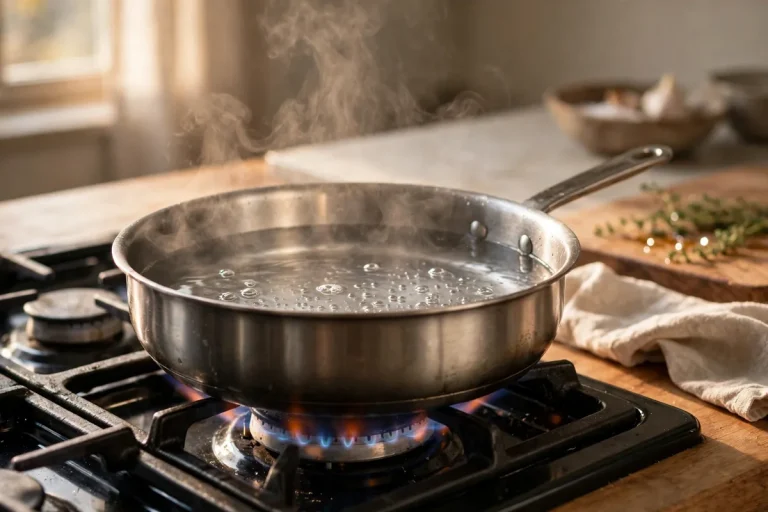
The significance of heat transfer is evident in countless scenarios. In engineering, for example, the design of heating and cooling systems relies heavily on an understanding of thermal conductivity and the heat transfer coefficient. In nature, weather patterns and climate are influenced by the convection of air and water masses, as well as the radiative transfer of solar energy. Daily life is replete with examples, such as cooking, where heat transfers from the hot surface of a stove to a pot, and eventually to the food within.
Key Concepts in Heat Transfer
- Thermal Conductivity: This property measures a material’s ability to conduct heat. Materials with high thermal conductivity, like metals, transfer heat efficiently, while those with low thermal conductivity, such as wood or insulation, do not.
- Heat Transfer Coefficient: This parameter is crucial in determining the rate of heat transfer between a solid surface and a fluid, such as air or water, in convection processes.
- Heat Transfer in Daily Life: From the warmth of the sun on our skin to the cooling effect of a fan, heat transfer is at play, affecting comfort, cooking, and even technology.
By exploring the distinct characteristics of conduction, convection, and radiation, we gain a deeper appreciation of how these processes shape the world. This understanding not only enhances our knowledge but also enables us to harness these principles for innovation and problem-solving in various industries.
How Conduction Works: Basics and Examples
Conduction is one of the fundamental methods by which heat is transferred, playing a critical role in daily life and various industrial applications. At its core, conduction involves the transfer of thermal energy through direct contact between particles within a substance. This process is most efficient in solids, where particles are closely packed, allowing energy to pass from one particle to another with minimal resistance.
The Basics of Conduction
In conduction, energy is transferred through a material without the material itself moving. This occurs when particles, primarily atoms or molecules, collide with each other, transferring kinetic energy from the hotter region to the cooler one. The process continues until thermal equilibrium is reached, meaning the temperature is uniform throughout the material.
Key Factors Influencing Conduction
- Thermal Conductivity: This property is essential to understanding conduction. Materials with high thermal conductivity, such as metals, transfer heat quickly and efficiently. In contrast, materials with low thermal conductivity, like wood and plastic, act as insulators, slowing down the heat transfer process.
- Temperature Gradient: The rate of conduction is proportional to the temperature difference across the material. A greater temperature gradient results in faster heat transfer.
- Cross-Sectional Area and Thickness: The amount of heat conducted is also influenced by the area through which it flows and the thickness of the material. A larger area facilitates more heat transfer, while increased thickness can impede it.
Examples of Conduction
Conduction is prevalent in numerous everyday scenarios and technological applications:
- Cooking: When a metal pan is heated on a stove, heat is conducted from the bottom of the pan to its contents, cooking the food.
- Household Heating: Radiators in homes transfer heat to the surrounding air through conduction, helping to warm up indoor spaces during colder months.
- Electronic Devices: In devices such as computers, heat sinks are used to conduct heat away from critical components, ensuring they operate within safe temperature ranges.
Understanding conduction not only helps in appreciating the thermal dynamics around us but also in designing better systems for energy efficiency, from building insulation to advanced thermal management solutions. By mastering the principles of conduction, we can optimize processes in industries ranging from manufacturing to electronics, leading to both economic and environmental benefits.
Exploring Convection: Mechanism and Real-World Applications
Convection is a fascinating and dynamic method of heat transfer, pivotal in numerous natural and engineered systems. Unlike conduction, which occurs through direct contact, convection involves the movement of fluid (liquid or gas) itself, facilitating the transfer of thermal energy. Understanding this mechanism is crucial in fields such as meteorology, engineering, and environmental science.
Mechanism of Convection
Convection can be categorized into two types: natural and forced convection.
- Natural Convection: This occurs when fluid motion is caused by density differences within the fluid due to temperature gradients. For example, when air is heated, it becomes less dense and rises, while cooler, denser air sinks. This cycle creates a convection current, distributing heat within the fluid.
- Forced Convection: In contrast, forced convection involves external forces, such as fans or pumps, to move the fluid, enhancing heat transfer. This is commonly employed in industrial applications where rapid heat dissipation is required.
The efficiency of convection is influenced by the heat transfer coefficient, which depends on the fluid’s properties, flow velocity, and surface area involved in the heat exchange process.
Real-World Applications of Convection
Convection plays a significant role in various real-world scenarios, contributing to both everyday comfort and advanced technological processes:
- Weather Systems: Convection currents in the atmosphere are responsible for weather patterns, including wind, storms, and other climatic phenomena. Warm air rises, cools at higher altitudes, and descends, driving atmospheric circulation.
- Home Heating and Cooling: HVAC systems utilize convection to distribute warm or cool air throughout a building. Forced convection via fans ensures efficient temperature regulation, enhancing comfort and energy efficiency.
- Cooking: Convection ovens use fans to circulate hot air around food, providing even cooking and reducing cooking times compared to traditional ovens.
- Industrial Processes: In industries such as chemical processing and power generation, convection is harnessed to facilitate heat exchange. Heat exchangers, for instance, rely on convection to transfer heat between fluids, optimizing energy use and enhancing process efficiency.
By comprehending the principles of convection, engineers and scientists can design systems that effectively manage thermal energy, leading to innovations in areas such as renewable energy, environmental control, and thermal management solutions.
The synergy of conduction and convection, along with radiation, forms the cornerstone of heat transfer mechanisms, each contributing uniquely to the thermal dynamics in our world. Together, they enable the effective management and utilization of thermal energy, driving progress in technology and improving quality of life.
Understanding Radiation: Energy Transfer through Waves
Radiation is a fundamental mode of heat transfer that occurs through electromagnetic waves. Unlike conduction and convection, radiation does not require any medium to transfer energy. It can even occur in the vacuum of space, making it a crucial mechanism for heat transfer in environments where conduction and convection are impossible.
The Nature of Radiant Energy
Radiant energy is emitted by all objects that possess thermal energy. This energy travels in the form of electromagnetic waves, which include visible light, infrared radiation, and ultraviolet radiation. The intensity and wavelength of the radiation depend on the temperature and nature of the emitting surface.
Blackbody Radiation
- A perfect blackbody is an idealized physical object that absorbs all incident electromagnetic radiation, regardless of frequency or angle of incidence.
- It emits radiation at a maximum rate for its given temperature, characterized by Planck’s law.
- Real-world objects approximate blackbody behavior to varying degrees, influencing how efficiently they radiate energy.
Key Principles of Radiative Heat Transfer
Radiation follows several principles that distinguish it from other forms of heat transfer:
- Emission: All bodies emit thermal radiation, and the rate of emission increases with temperature.
- Absorption: Objects can absorb radiation, converting it into thermal energy, which increases their temperature.
- Reflection and Transmission: Surfaces can reflect or transmit part of the incoming radiation, affecting the net heat transfer.
Examples of Radiation in Daily Life
Radiation plays a vital role in many everyday scenarios:
- Sunlight: The sun emits a vast amount of energy as radiation, warming the Earth and driving weather patterns.
- Infrared Heaters: These devices use radiation to heat objects and people directly, rather than warming the surrounding air.
- Cooking: Microwaves use a form of radiation to heat food by agitating water molecules within it, causing them to generate heat.
Understanding the nuances of radiative heat transfer is essential for applications ranging from thermal insulation design to climate science and space exploration. By harnessing the principles of radiation, engineers and scientists continue to develop innovative solutions for energy management and environmental sustainability.
Comparing the Three Modes of Heat Transfer
Understanding the distinctions between conduction, convection, and radiation is crucial for anyone interested in the science of heat transfer. Each mode has unique characteristics and applications, making them suitable for different scenarios. Let’s delve into the specifics of each method and how they compare to one another.
Conduction
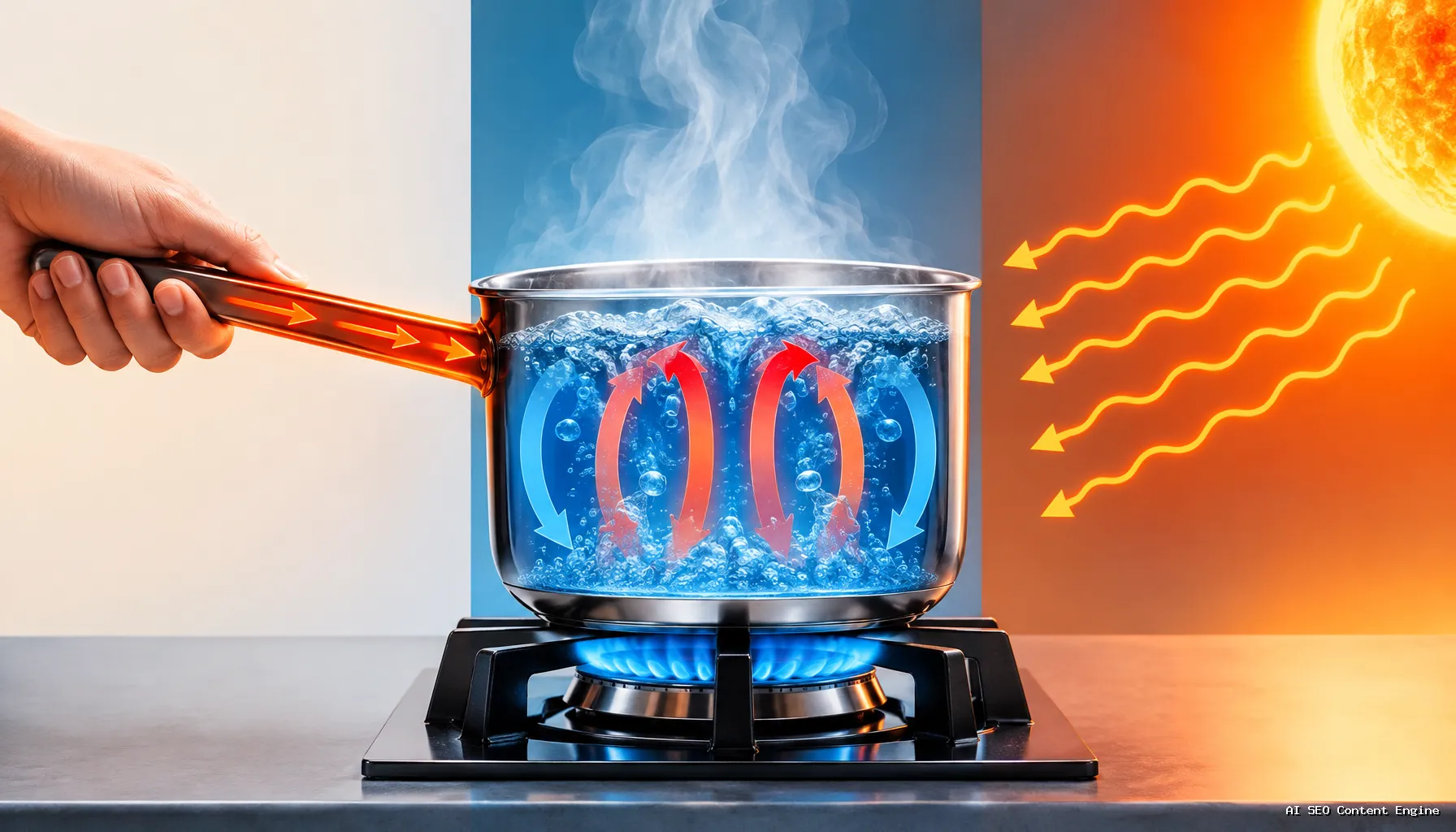
Conduction is the process by which heat is directly transmitted through a substance when there is a difference in temperature between adjoining regions, without movement of the material as a whole. It is most effective in solids, particularly metals, due to their high thermal conductivity. For instance, when a metal rod is heated at one end, the heat travels through the material, warming the entire rod over time.
Key Features of Conduction:
- Occurs primarily in solids.
- Involves direct contact between molecules.
- Effectiveness depends on the material’s thermal conductivity.
Convection
Convection involves the transfer of heat by the physical movement of a fluid (liquid or gas). This method is characterized by the circulation of fluid caused by the heat, which transfers energy from hotter to cooler regions. A classic example is the boiling of water, where hot water rises and cooler water descends, creating a convection current.
Key Features of Convection:
- Occurs in fluids (liquids and gases).
- Involves the movement of molecules within the fluid.
- Highly dependent on the fluid’s heat transfer coefficient.
Radiation
Unlike conduction and convection, radiation does not require a medium to transfer heat. Instead, energy is emitted in the form of electromagnetic waves. This method is effective over a vacuum or air, making it a dominant form of heat transfer in space. The heat from the sun reaching Earth is a prime example of radiative transfer.
Key Features of Radiation:
- Does not require a medium.
- Can occur through a vacuum.
- Energy is transferred via electromagnetic waves.
Comparative Analysis
While all three methods are essential for different thermal applications, their suitability depends on the specific conditions and materials involved:
- Conduction is best for situations requiring heat transfer through solid materials, such as in cooking utensils or heat sinks.
- Convection is ideal for systems where fluid movement is feasible, like HVAC systems and oceanic circulation.
- Radiation is indispensable in environments where no material medium is available, such as in solar panels or thermal insulation in spacecraft.
Understanding these nuances helps in designing efficient systems for heating, cooling, and thermal management across various industries and applications. Each method provides unique benefits and challenges, making their study essential for innovation in energy management and sustainability.
Practical Applications and Importance of Heat Transfer
The principles of heat transfer are integral to countless applications across various fields, impacting everything from industrial processes to daily household tasks. Understanding how heat moves through conduction, convection, and radiation not only enhances efficiency but also drives innovation in design and technology. Here, we explore the practical implications and the critical role these mechanisms play in different sectors.
Industrial Applications
Industries heavily rely on efficient heat transfer for production and energy management. For instance:
- Manufacturing: Processes such as forging, welding, and casting require precise heat control. Conduction is used to heat metals uniformly, ensuring structural integrity.
- Power Generation: Thermal power plants utilize convection in boilers to convert water into steam, driving turbines for electricity production. The efficiency of this process is crucial for energy output.
- Refrigeration and Air Conditioning: These systems depend on convection and radiation to transfer heat away from enclosed spaces, maintaining desired temperature levels efficiently.
Environmental and Climate Control
Heat transfer is pivotal in environmental systems and climate management:
- HVAC Systems: By leveraging convection, HVAC systems regulate indoor climates in residential and commercial buildings, ensuring comfort and energy efficiency.
- Green Building Design: Utilizing materials with optimal thermal conductivity and incorporating radiant heat barriers enhances energy conservation in buildings.
- Ocean Circulation: Natural convection currents in oceans play a significant role in regulating climate by distributing thermal energy across the planet.
Everyday Applications
Heat transfer is equally crucial in everyday tasks, often unnoticed but essential:
- Cooking: Conduction is the primary method when using pots and pans, transferring heat directly from stove to food. Convection ovens circulate hot air, cooking food evenly.
- Home Heating: Radiators and underfloor heating systems use convection and radiation to warm living spaces efficiently.
- Electronics Cooling: Devices like computers use heat sinks and fans to dispel heat through conduction and convection, preventing overheating and ensuring performance.
Technological Innovations
Advancements in technology often hinge on improved heat transfer methods:
- Solar Energy: Solar panels convert radiant energy from the sun into electricity, a process heavily reliant on understanding and optimizing radiation principles.
- Aerospace Engineering: Heat shields on spacecraft utilize materials with low thermal conductivity to protect against intense heat during re-entry into Earth’s atmosphere.
- Thermal Management Systems: In fields like electronics and automotive design, efficient heat transfer is vital for developing components that can endure high operational temperatures without failure.
In conclusion, the effective application of heat transfer principles is indispensable for technological advancement, environmental sustainability, and daily convenience. By mastering these mechanisms, industries can enhance efficiency, reduce energy consumption, and innovate new solutions for emerging challenges in thermal management and energy use.
Conclusion
Understanding the mechanisms of heat transfer—conduction, convection, and radiation—is essential for numerous applications in science and engineering. Each mode of heat transfer operates under different principles and has unique characteristics and efficiencies. Conduction involves direct molecular interaction, convection relies on fluid motion, and radiation involves electromagnetic waves. By mastering these concepts, one can optimize thermal systems across various industries, from HVAC systems to automotive engineering and beyond. Recognizing the distinct traits and practical applications of each heat transfer method is crucial for innovation and efficiency in thermal management.
Frequently Asked Questions
What is the major difference between conduction, convection, and radiation?
The major difference between conduction, convection, and radiation lies in their mechanisms of heat transfer. Conduction occurs through direct contact between molecules, convection involves the bulk movement of fluids, and radiation transfers heat through electromagnetic waves without requiring a medium.
What are the units of heat transfer coefficient?
The units of the heat transfer coefficient are typically expressed in watts per square meter per degree Celsius (W/m²°C) or sometimes in British Thermal Units per hour per square foot per degree Fahrenheit (BTU/hr·ft²·°F) in the imperial system.
Is conduction or convection more efficient?
The efficiency of conduction versus convection depends on the specific context and conditions. Conduction can be more efficient in solid materials with high thermal conductivity, whereas convection is often more effective in fluids where there is significant movement, enhancing heat transfer through the bulk motion of the fluid.
What are the three models of heat transfer?
The three models of heat transfer are conduction, convection, and radiation. These models describe the different ways that heat energy can be transferred from one place to another, each with its own unique mechanisms and applications.