Understanding the Conservation of Energy: The Law, Forms, and Practical Examples
Have you ever wondered how energy seems to magically transform from one form to another, yet never disappears? This fascinating principle is at the heart of the conservation of energy, a fundamental concept in physics. In this article, we dive into the details of ‘Conservation of Energy Explained — The Law, Forms and Worked Examples’ to help you grasp how energy operates in the universe. Whether you’re a curious student or just someone eager to understand the world around you, this exploration will illuminate how energy remains constant, changing forms but never vanishing. For a deeper understanding of energy conservation principles, you can also check out this comprehensive resource on energy conservation on Wikipedia. Join us as we unravel the mysteries of this essential law and discover its real-world applications!
What is the Conservation of Energy?
The conservation of energy is a fundamental principle in physics that asserts energy cannot be created or destroyed; it can only be transformed from one form to another. This principle is foundational in understanding how energy operates within closed systems, where the total energy remains constant over time. Essentially, the energy present in a system at the beginning will be the same at the end, albeit possibly in different forms.
The Law of Conservation of Energy
The law of conservation of energy states that the total energy of an isolated system remains constant—it is conserved over time. This implies that energy simply changes forms, such as from potential energy to kinetic energy, or from chemical energy to thermal energy, but the total amount remains unchanged.
To state the law of conservation of energy in a simple form: the energy in a closed system can change forms, but it cannot disappear. Understanding this law is crucial for comprehending a wide array of physical phenomena and is a cornerstone of both classical and modern physics.
Forms of Energy
Energy appears in various forms, and understanding these helps elucidate how energy transformations occur:
- Kinetic Energy: The energy of motion, observable in moving objects.
- Potential Energy: Stored energy, often related to an object’s position or state, such as gravitational potential energy.
- Chemical Energy: Energy stored in chemical bonds, released or absorbed during chemical reactions.
- Thermal Energy: The energy associated with the temperature of an object, often resulting from the movement of particles within it.
- Electrical Energy: Energy from electric charges, crucial for powering countless technologies.
- Nuclear Energy: The energy held in the nucleus of atoms, released during nuclear reactions.
Real-World Examples
To better understand the conservation of energy, consider the following examples:
- Falling Objects: As an object falls, its potential energy is converted into kinetic energy, illustrating how energy transforms while the total remains constant.
- Pendulum Motion: A pendulum swings back and forth, constantly exchanging potential energy and kinetic energy.
- Roller Coasters: At the peak of a ride, a roller coaster has maximum potential energy, which is converted to kinetic energy as it descends, propelling it forward.
These examples highlight the ubiquitous nature of energy transformations and underscore the importance of the conservation principle in both everyday experiences and scientific explorations.
The Fundamental Law of Conservation of Energy
The fundamental principle of the conservation of energy is a cornerstone of physics, asserting that energy in a closed system remains constant over time. This principle states that energy cannot be created or destroyed; it can only be transformed from one form to another. Understanding this law is crucial for explaining the behavior of energy in various physical processes.
Understanding the Law
The law of conservation of energy is elegantly simple yet profoundly significant. It implies that the total energy of an isolated system remains unchanged, even as energy undergoes various transformations. Whether energy is shifted between potential and kinetic forms, converted from thermal to mechanical, or transferred from electrical to chemical, the total energy persists.
Mathematical Representation
In mathematical terms, the conservation of energy is often expressed with the equation:
Total Energy (Etotal) = Constant
This implies:
- Einitial = Efinal – The initial energy in the system equals the final energy after any transformations.
Illustrative Examples
To clarify the law of conservation of energy, consider these scenarios:
- State the Law of Conservation of Energy with Example: When a roller coaster reaches the top of a hill, it possesses maximum potential energy. As it descends, this energy is transformed into kinetic energy, propelling the coaster forward while maintaining the total energy of the system.
- Simple Pendulum: In a pendulum, energy constantly shifts between kinetic energy at the lowest point and potential energy at the highest points of its swing, demonstrating energy conservation in motion.
Significance in Daily Life and Science
The law is not only a fundamental concept in physics but also a guiding principle in engineering, chemistry, and environmental science. It helps engineers design more efficient machines, enables chemists to predict reaction outcomes, and aids environmentalists in understanding energy flow in ecosystems.
The conservation of energy underscores a profound truth about the universe: while energy may change form, the total amount remains unaltered, offering a lens through which we can predict and understand the natural world’s dynamics.
Different Forms of Energy and Their Conservation
Energy manifests in various forms, each playing a crucial role in both natural processes and human-made systems. Understanding these forms and their conservation is essential for comprehending how energy sustains itself across different scenarios. The principle of energy conservation asserts that energy cannot be created or destroyed; it can only be converted from one form to another while maintaining the total energy of an isolated system.
Kinetic Energy
Kinetic energy is the energy of motion. Any object in motion, from a speeding bullet to a flowing river, possesses kinetic energy. The amount of kinetic energy an object has depends on its mass and velocity, described by the formula:
Kinetic Energy (KE) = 1/2 mv²
Here, ‘m’ is the mass of the object, and ‘v’ is its velocity. As objects move, they can transfer kinetic energy to other objects, conserving energy within the system.
Potential Energy
Potential energy is stored energy based on an object’s position or state. A classic example is gravitational potential energy, which depends on an object’s height above the ground. It’s calculated using:
Potential Energy (PE) = mgh
Where ‘m’ is mass, ‘g’ is the acceleration due to gravity, and ‘h’ is the height above the reference point. As in the case of the pendulum, potential energy is converted to kinetic energy and vice versa, illustrating energy conservation.
Thermal Energy
Thermal energy, or heat, is the energy that comes from the movement of atoms and molecules in a substance. It is often produced as a byproduct of other energy transformations, such as when fuel burns to power an engine. In terms of conservation, thermal energy can be transferred between objects or transformed into other energy forms but cannot be lost from the system.
Chemical Energy
Chemical energy is stored in the bonds of chemical compounds. This energy is released or absorbed during chemical reactions, such as combustion in a car engine or photosynthesis in plants. While the form of energy changes during these reactions, the total energy remains constant, demonstrating the law of conservation.
Electrical Energy
Electrical energy is the energy associated with electric charges and their movements. It is a versatile form often converted into other types of energy, such as mechanical energy in motors or light energy in bulbs. Despite these transformations, the conservation of energy principle ensures that the total energy remains unchanged.
Nuclear Energy
Nuclear energy is stored in the nucleus of atoms and can be released through nuclear reactions, such as fission or fusion. Although the energy form changes dramatically in these reactions, the sum of the energy before and after the reaction stays the same, adhering to the conservation law.
In summary, the conservation of energy across these various forms highlights a fundamental aspect of physics and nature. Each transformation, whether in a simple mechanical system or a complex nuclear reaction, respects the principle that energy’s total amount is constant, merely changing form to adapt to the system’s conditions.
Practical Examples: How Energy Conservation Works in Real Life
The principle of energy conservation is not just a theoretical concept confined to textbooks; it actively influences many everyday processes and technologies. Understanding how this principle operates in real-life scenarios can provide a clearer perspective on its significance and practical applications. Below are some key examples that illustrate the conservation of energy in action.
1. Roller Coasters
One of the most exhilarating demonstrations of energy conservation can be observed in roller coasters. As the coaster climbs to the top of a hill, it builds up potential energy. This potential energy is then converted into kinetic energy as it descends, providing speed and excitement. Despite the shifts between potential and kinetic energy, the total energy remains constant, only changing forms.
2. Pendulums
Pendulums are classic examples of energy conservation. As the pendulum swings, energy continually converts between kinetic energy (at the lowest point of the swing) and potential energy (at the highest points). Even though friction and air resistance may eventually slow the pendulum, the principle of energy conservation remains intact in the ideal scenario.
3. Hydroelectric Power Plants
In hydroelectric power plants, the potential energy of stored water is converted into kinetic energy as the water flows down through turbines. These turbines then convert the kinetic energy into electrical energy. Throughout this process, the total energy is conserved, showcasing the law’s application in sustainable energy production.
4. Internal Combustion Engines
In vehicles, the chemical energy stored in fuel is transformed into mechanical energy, which powers the engine. While some energy is lost as heat, the overall transformation adheres to the conservation principle. This conversion process underpins the fundamental operation of most cars and motorcycles.
5. Energy-Efficient Appliances
Modern appliances are designed to maximize energy efficiency, ensuring that the energy input is effectively used for its intended purpose, such as heating, cooling, or lighting, with minimal wastage. This approach aligns with the conservation principle by optimizing energy use rather than increasing consumption.
These examples reflect how the law of energy conservation is an integral part of both natural phenomena and engineered systems. Whether it’s the seamless conversion of energy forms in a roller coaster or the strategic management of energy in household appliances, the principle underlies a vast array of processes that sustain modern life. By recognizing and applying this principle, we can enhance energy efficiency and sustainability in various domains.
Exploring the Formula for Energy Conservation
The law of conservation of energy states that energy cannot be created or destroyed; it can only be transformed from one form to another. This fundamental principle of physics is elegantly encapsulated in the energy conservation formula, which serves as a mathematical representation of energy transformations in closed systems. Understanding this formula is essential for analyzing energy exchanges in both natural and engineered processes.
The Formula
The general formula for energy conservation in a closed system is expressed as:
Total Energy Initial = Total Energy Final
This equation implies that the sum of all forms of energy in a system remains constant over time, provided that no energy enters or leaves the system. The formula can also be detailed as:
KEinitial + PEinitial + Eotherinitial = KEfinal + PEfinal + Eotherfinal
- KE: Kinetic Energy, the energy of motion.
- PE: Potential Energy, the energy stored due to position or configuration.
- Eother: Other forms of energy, such as thermal energy, chemical energy, etc.
Components of the Formula
Each component in the formula represents a different form of energy:
- Kinetic Energy (KE): Defined by the equation KE = 0.5 × m × v², where m is mass and v is velocity. This energy is associated with the movement of objects.
- Potential Energy (PE): Often due to gravity, calculated as PE = m × g × h, where m is mass, g is the acceleration due to gravity, and h is height.
- Other Energy Forms (Eother): These can include thermal energy, chemical energy, and others, depending on the system under consideration.
Worked Example
Consider a simple pendulum swinging back and forth. At its highest point, the pendulum has maximum potential energy and minimal kinetic energy. As it swings downwards, potential energy is converted into kinetic energy. At the lowest point, kinetic energy is maximized while potential energy is minimized.
Throughout this motion, the total mechanical energy (sum of kinetic and potential energy) of the pendulum remains constant, perfectly illustrating the conservation of energy principle.
Applications and Implications
The conservation of energy formula is not just an academic exercise; it has real-world applications in engineering, environmental science, and technology. By applying this formula, engineers can design more efficient machines, architects can create energy-efficient buildings, and scientists can better understand ecological systems.
In educational settings, such as in Class 9 physics, this principle is fundamental to understanding how energy interacts within various systems, supporting a deeper comprehension of the natural world and technological advancements.
Overall, the formula for energy conservation provides a crucial framework for analyzing and optimizing the use of energy across numerous domains, promoting sustainability and efficiency.
Common Misconceptions About Energy Conservation
The principle of energy conservation is a cornerstone of physics, yet it is often misunderstood or misrepresented in various contexts. These misconceptions can hinder a proper understanding of how energy operates in both theoretical and practical applications. Here are some common fallacies surrounding the conservation of energy:
Misconception 1: Energy Can Be Lost
Many people mistakenly believe that energy can be lost in a system. In reality, the law of the conservation of energy dictates that energy cannot be created or destroyed; it can only be transformed from one form to another. For example, when a car engine burns fuel, the chemical energy is converted into mechanical energy and heat, but the total energy remains constant.
Misconception 2: Energy Conservation Equals Energy Efficiency
Another common confusion is equating energy conservation with energy efficiency. While both concepts aim to reduce energy consumption, they are not the same. Energy efficiency involves using technology to perform the same tasks with less energy, whereas energy conservation refers to the practice of using less energy by changing behaviors and habits, such as turning off lights when not in use.
Misconception 3: The Law Only Applies to Closed Systems
Some assume that the conservation of energy only holds true in closed systems where no energy enters or leaves. However, the principle applies universally. Even in open systems, the energy lost or gained from the surroundings must be accounted for, but the total energy, including that exchanged with the environment, remains constant.
Misconception 4: Potential and Kinetic Energy Are Independent
In many educational settings, potential and kinetic energy are taught as separate entities, leading to the misconception that they do not influence each other. In reality, these forms of energy are interdependent. For instance, as a pendulum swings, potential energy converts to kinetic energy and vice versa, illustrating their dynamic interplay while maintaining a constant total energy.
Misconception 5: Perpetual Motion Machines Are Possible
The idea of a machine that can operate indefinitely without an external energy source defies the law of conservation of energy. Such a perpetual motion machine would require energy to be created from nothing, which violates fundamental physical principles. Despite numerous attempts throughout history, no such machine has been successfully built.
Addressing these misconceptions is crucial for a deeper understanding of how energy functions across various domains. By clearly recognizing and correcting these misunderstandings, one can appreciate the profound implications of energy conservation in science and technology.
Frequently Asked Questions on Energy Conservation
What is the law of conservation of energy?
The law of conservation of energy states that energy cannot be created or destroyed in an isolated system. It can only be transformed from one form to another. This fundamental principle ensures that the total energy within a closed system remains constant over time, regardless of the processes occurring within the system.
Can you provide an example of energy conservation?
A classic example of energy conservation is a pendulum. As the pendulum swings, its energy continually shifts between kinetic energy (energy of motion) and potential energy (stored energy due to height). At the highest points of its swing, the pendulum has maximum potential energy and minimum kinetic energy. At the lowest point, it has maximum kinetic energy and minimum potential energy. Throughout this motion, the total energy of the pendulum system remains constant, illustrating the law of conservation of energy.
How is the conservation of energy formula used?
The conservation of energy formula is used to calculate the total energy in a system, ensuring it remains constant. The formula is generally expressed as:
Total Energy Initial = Total Energy Final
This equation accounts for all forms of energy, such as kinetic, potential, thermal, and others, demonstrating that the sum of initial energies equals the sum of final energies in a closed system.
What are some real-life applications of the conservation of energy?
- **Roller Coasters**: Energy conservation explains how potential energy at the highest points converts to kinetic energy at the lowest points, powering the ride.
- **Hydroelectric Power**: Water stored at height in dams possesses potential energy, which transforms into kinetic energy as it flows down, turning turbines to generate electricity.
- **Automobiles**: In vehicles, chemical energy from fuel is converted into kinetic energy, propelling the car forward.
Why is understanding energy conservation important in Class 9 science?
Understanding energy conservation is crucial for Class 9 students as it lays the foundation for more advanced topics in physics and other sciences. Grasping this concept helps students comprehend how energy interactions and transformations occur in natural and engineered systems, fostering a deeper appreciation for the principles that govern the physical world.
Are there 10 examples of conservation of energy?
Yes, here are 10 examples where energy conservation is evident:
- Waterfall energy conversion in hydroelectric plants
- Car engine energy transformation
- Solar panels converting light to electricity
- Wind turbines harnessing kinetic energy of wind
- Batteries storing chemical energy
- Photosynthesis in plants converting solar energy
- Thermal energy in geothermal systems
- Lighting a bulb with electrical energy
- Energy efficiency in insulating homes
- Regenerative braking in electric vehicles
Conclusion
In understanding the conservation of energy, we unlock a crucial principle that governs not only scientific phenomena but also the practical aspects of our everyday lives. The law of conservation of energy highlights that energy can neither be created nor destroyed, only transformed from one form to another. This unifying concept is foundational in fields ranging from physics to engineering, and its applications are vast and varied. By examining different forms of energy and exploring worked examples, we gain a deeper appreciation for the omnipresent nature of energy conservation. As we move forward, embracing sustainable practices informed by this principle will be essential for fostering an energy-efficient future.
Frequently Asked Questions
What are some examples of the law of conservation of energy?
Examples of the law of conservation of energy include a swinging pendulum, where potential energy converts to kinetic energy and back, and a roller coaster, where gravitational potential energy is transformed into kinetic energy as it descends and ascends the track.
What are 5 examples of conservation of energy in daily life?
1. Driving a car: Chemical energy from fuel is converted into kinetic energy for movement.
2. Cooking: Electrical energy is transformed into thermal energy to heat food.
3. Riding a bicycle: Muscular energy is converted into mechanical energy as you pedal.
4. Charging a phone: Electrical energy is stored as chemical energy in the battery.
5. Solar panels: Solar energy is converted into electrical energy to power homes.
What are the 10 examples of energy conversion?
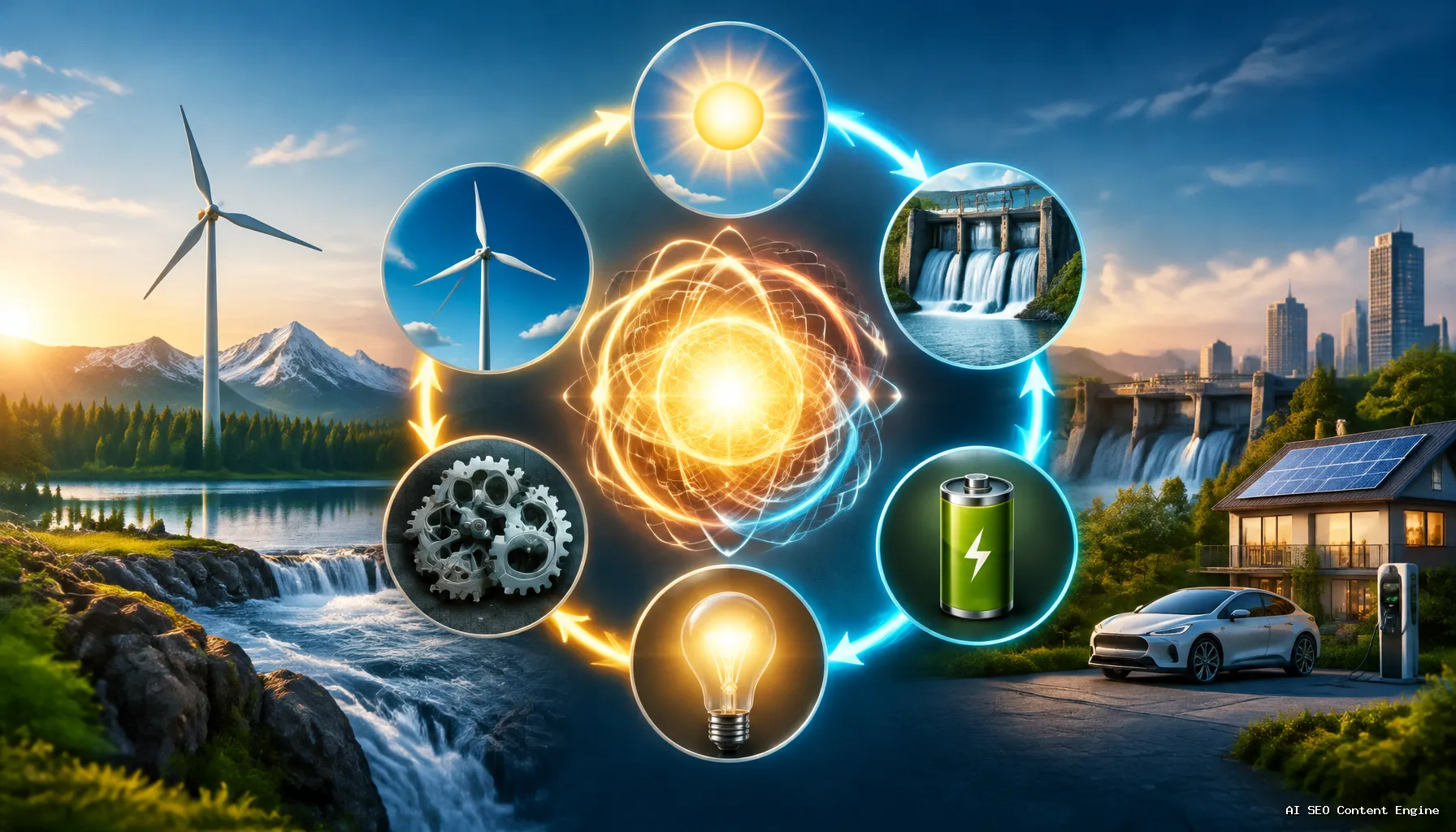
1. Solar panels converting solar energy to electrical energy.
2. Wind turbines converting wind energy to electrical energy.
3. Hydroelectric dams converting gravitational energy to electrical energy.
4. Photosynthesis converting solar energy to chemical energy.
5. Engines converting chemical energy to kinetic energy.
6. Batteries converting chemical energy to electrical energy.
7. Nuclear reactors converting nuclear energy to heat energy.
8. Light bulbs converting electrical energy to light energy.
9. Microphones converting sound energy to electrical energy.
10. Speakers converting electrical energy to sound energy.
What are the 7 forms of energy and the definition?
1. Mechanical Energy: Energy associated with the motion or position of an object.
2. Thermal Energy: Energy related to the temperature of an object, or heat energy.
3. Chemical Energy: Energy stored in chemical bonds and released during a chemical reaction.
4. Electrical Energy: Energy caused by the movement of electrons.
5. Nuclear Energy: Energy released during nuclear reactions, such as fission or fusion.
6. Radiant Energy: Energy carried by light or electromagnetic waves.
7. Sound Energy: Energy carried by sound waves through a medium.